How Pilots, Airports, and Passengers Stay Ready for Emergencies

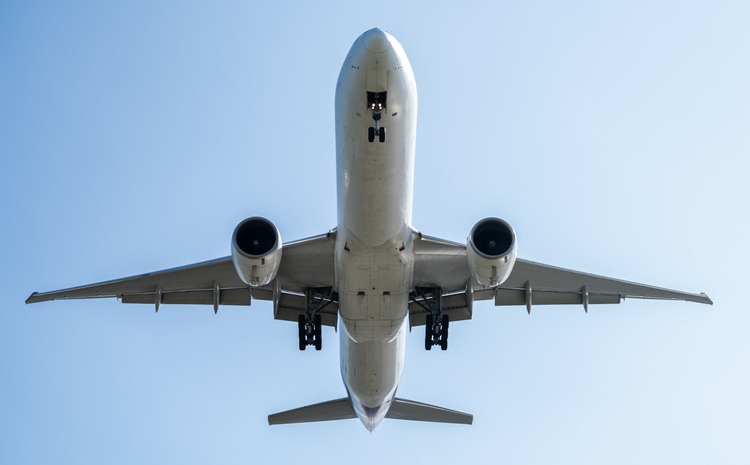
Source: Fahroni / Getty
WEST LAFAYETTE, Ind –– Emergencies in aviation aren’t common, but pilots, airport staff, and passengers all play a role in making sure everyone stays safe when they do happen, says Stephanie Brown, director of aviation safety at Purdue University’s School of Aviation and Transportation Technology.
“Pilots go through special training for emergency procedures,” Brown said. “They have checklists they run through over and over again. Airport management does the same so that when something happens, they’re ready to respond and take care of passengers as quickly as possible.”



Winter weather can make things trickier, especially when runways get covered in snow or ice. Brown said airports run traction tests to check runway conditions and share that data with pilots and air traffic control.
“The airport provides those readings so pilots can figure out how much runway they’ll need,” she said. “If they need extra space, air traffic control will make sure they’re on the right runway for a safe landing.”
Brown said the best thing for passengers to do is follow the safety instructions given before and during the flight. That means keeping seatbelts fastened, sitting upright, and wearing the right clothing—like closed-toe shoes—in case a quick evacuation is needed.
“Paying attention to the safety briefing is huge,” she said. “If you need to evacuate, get to the exits as fast as possible and don’t stop to grab your bags. That just slows everyone down.”
She added that passengers should help if asked. “If a flight attendant needs extra hands and you’re able to assist, do it,” she said. “The goal is to get everyone out in 90 seconds or less.”
Brown said while emergencies aren’t something anyone wants to think about, being prepared makes all the difference.
How Pilots, Airports, and Passengers Stay Ready for Emergencies was originally published on wibc.com