Heat exposure can be serious: Ensure your home is summer-ready

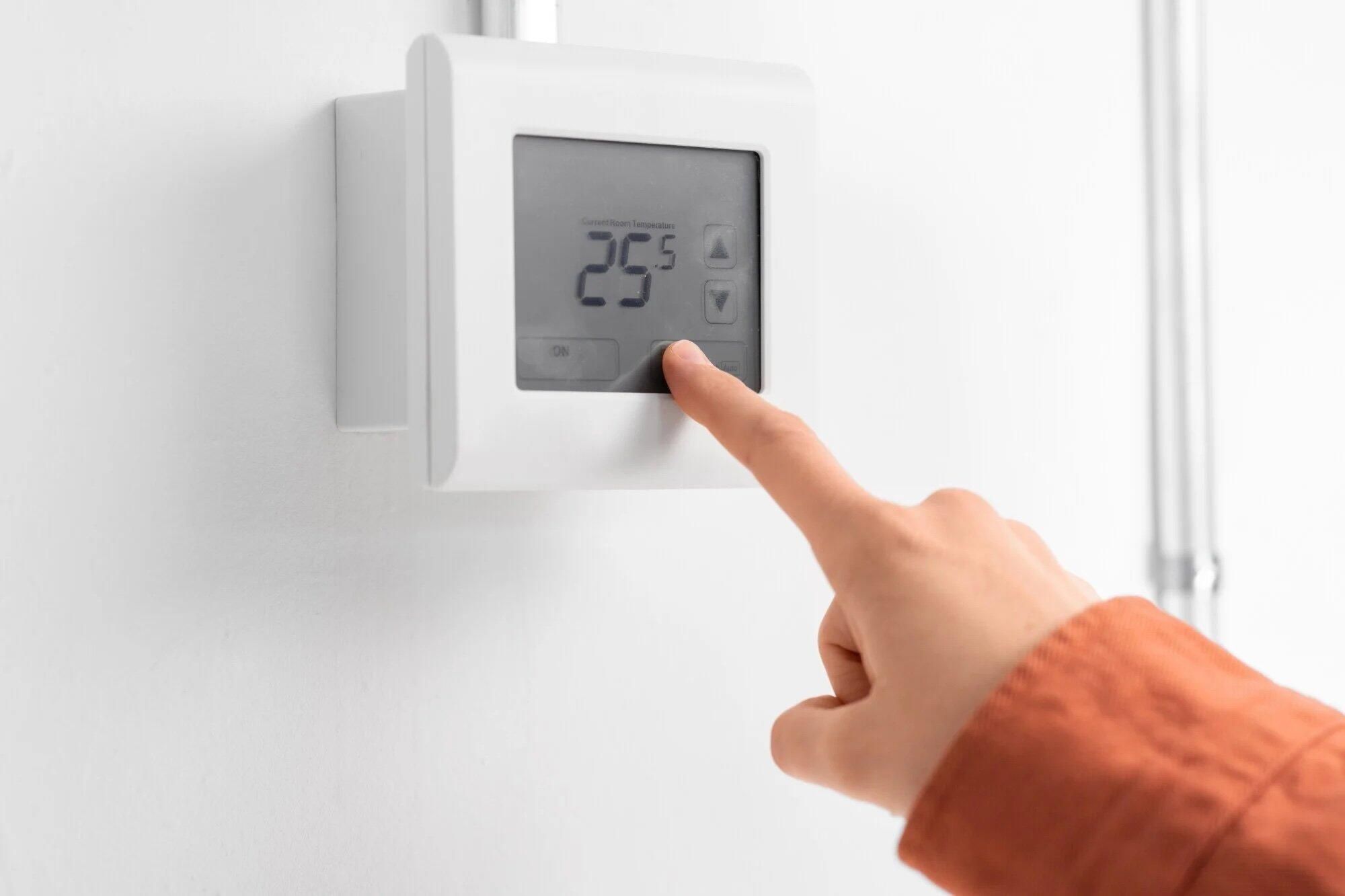
Heatwaves are getting more frequent and more intense. Just look at Lake Mead, which has reached historically low water levels driven in part by rising regional temperatures, according to the Grand Canyon Trust. Even areas that typically avoid heatwaves are starting to experience tropical summers.
During hot weather, your body has ways to cope and cool itself after heat exposure, but its capacity for cooling isn’t limitless. This article explores the dangers of heat and how people can keep themselves and their families safe in intense summer heatwaves.
Heat-Related Illnesses: How Does Heat Affect the Body?
When your body isn’t cooling you down enough to maintain a safe internal temperature, it can lead to heat-related illness. Heat-related illness is dangerous, with the CDC estimating an average of 702 heat-related deaths each year in the US.
Emergency departments also report a worrying rise in admissions for heat-related reasons. The harm from heat builds up gradually, which makes it easy to underestimate, so it is important to know the signs that your body is struggling to keep up. Early warning signs include the following:
- Heavy sweating
- Dizziness
- Headaches
- Muscle cramps
- Nausea
- Rapid pulse
- Feeling of weakness
If you are experiencing any of these symptoms during hot weather, you may be showing signs of heat exhaustion. If you don’t take steps to cool down, heat exhaustion can progress to heat stroke, the most serious heat-related illness.
Someone experiencing heat stroke has a body temperature of 103 F or higher. According to the National Weather Service, heat stroke is a medical emergency that requires you to call 911 right away.
Who is at Risk of Heat Exposure?
Some people are more sensitive to the effects of heat exposure. Older adults and young children are often much more susceptible to heat-related conditions. Living situation matters too. People on the upper floors of tall buildings experience a room temperature significantly higher than that on lower floors.
If you are from somewhere like Minneapolis or Anchorage, you are likely to feel the heat in a place like Phoenix, Arizona, much more intensely than the locals do.
People taking certain medications and those who spend a lot of time working outdoors are also at greater risk, so they should pay close attention to how they feel as temperatures start to rise.
What Does It Take to Have a Summer-Ready Home?
A cool, well-ventilated home is one of the best defenses against heat-related illness. Prepare your home for the heat in the following ways:
- Block out direct sunlight during the day by closing blinds or blackout window coverings on the sunniest sides of the house
- Book professional air conditioning services before peak summer so your system is inspected and running efficiently when you need it most
- Improve airflow by opening windows on opposite sides of the home for cross ventilation during the cooler evening hours, and position fans to move air through living spaces
- Seal gaps around doors and windows with weatherstripping so cooled air stays inside, and hot air stays out
Heat Stress: Don’t Suffer the Heat
Extreme heat is usually quite predictable, even if you live in an area experiencing exceptionally hot heatwaves. Watch out for local weather advisories and prepare your home environment for the weather in advance to help avoid heat exposure.
If you would like to learn more about making your home comfortable, see our other blog posts.