Growing cities are changing how fans travel to live events
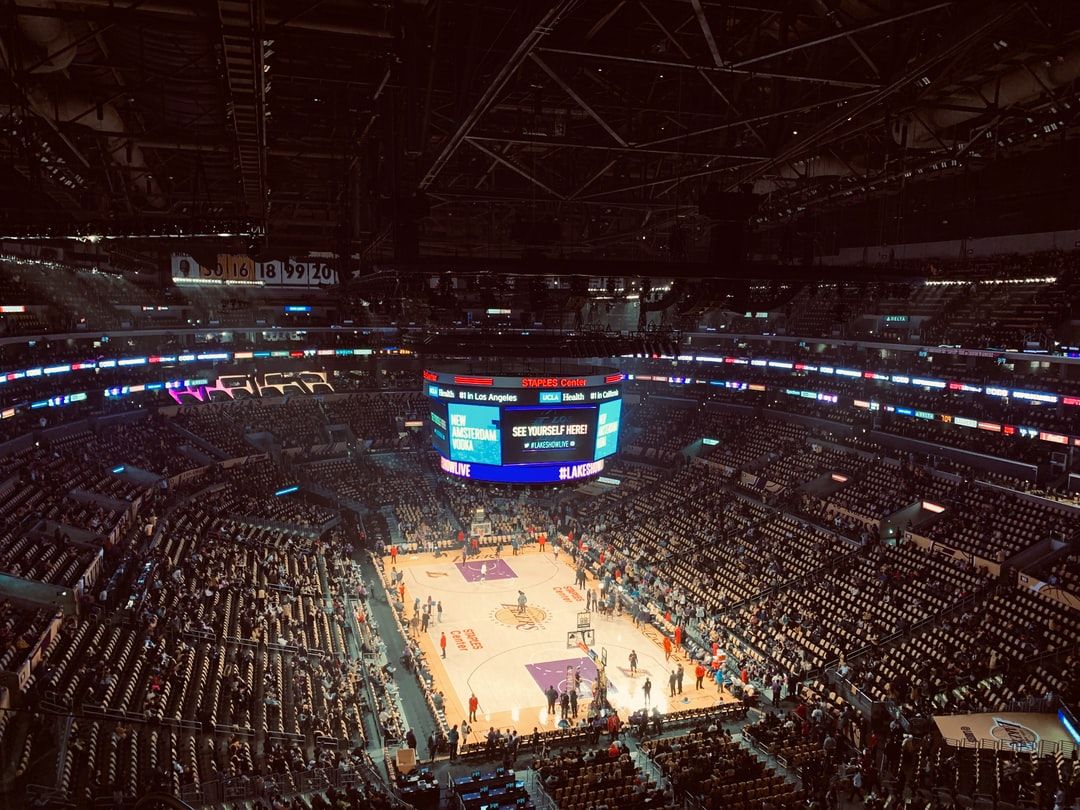
Growing cities are changing how fans get to live events, pushing more people toward public transit, rideshare, walking, and cycling, while concentrating traffic risks around venues on event nights.
Live events are back, and they are bigger than they have ever been.
Concert tours are selling out arenas months in advance, sports franchises are expanding into new markets, and city growth has pushed entertainment infrastructure to a scale that would have seemed unlikely a decade ago.
Getting to and from those events has become its own challenge. More fans, more vehicles, more rideshares, and more pedestrians converging on the same neighborhoods at the same time have turned event nights into some of the most congested moments on urban roads.
Public Transit Is Becoming Part of the Game Day Experience
Strong live event infrastructure now includes the transit networks that move people in and out of venues efficiently. Light rail lines near stadiums, express bus routes on game days, and shuttles bridging the last mile have all become part of how fans plan a night out.
Phoenix is a clear example.
The Valley Metro Rail system now connects key entertainment districts, and more fans are arriving by train than at any point in the venue’s history.
Parking Is No Longer the Default Choice
Fan transportation has quietly moved away from the stadium lot. Rising costs, shrinking availability, and the time lost circling for a space have pushed fans toward other options.
Pre-booking through an app has replaced the drive-and-hope approach for many. Others park several blocks out and walk, which works well until the game ends and thousands of people are doing the same thing at once. A growing share skip the car entirely.
Walking and Cycling Are Becoming More Practical Options
Urban travel trends show more fans arriving on foot or by bike as cities invest in streets around entertainment districts. Wider sidewalks, protected bike lanes, and e-scooter stations near major venues have made both options genuinely viable for fans who live within a few miles.
Pedestrians and cyclists on high-traffic event nights share roads with drivers who are distracted, rushing, or unfamiliar with the area, raising risk for everyone not inside a vehicle.
Event Night Traffic Creates Real Road Risks
High-attendance events concentrate thousands of vehicles, pedestrians, and cyclists into a small area over a short window of time. The conditions that follow raise risk for everyone outside a vehicle:
- Impatient drivers making sudden turns or running late yellows to beat the crowd
- Rideshare vehicles stopping unpredictably in travel lanes to pick up passengers
- Pedestrians crossing away from marked crosswalks in poorly lit areas
- Cyclists sharing lanes with motorists unfamiliar with the local road layout
- Distracted navigation, with drivers looking at phones instead of the road ahead
Phoenix car accident attorneys guide anyone injured in these situations to understand their legal options and pursue the compensation that a chaotic event-night crash can make necessary.
Growing Cities Bring Bigger Events and Bigger Road Risks
Growing cities have made live events more accessible, more ambitious, and more attended than ever. The roads around those venues on event nights demand more awareness from drivers, more protection for pedestrians, and more planning from everyone making the trip.
Browse our website for more on music, culture, and life in the city.