Beat the Heat: Essential Tips to Stay Safe from Heat Illness
INDIANAPOLIS (WISH) — As climate change worsens, summers are becoming hotter and longer. Along with high temperatures, high humidity and slower wind speeds can increase your risk of heat illness. Here to share tips to lower your risk is WISH-TV Medical Expert, Dr. Janel Gordon.
How severe is heat illness?
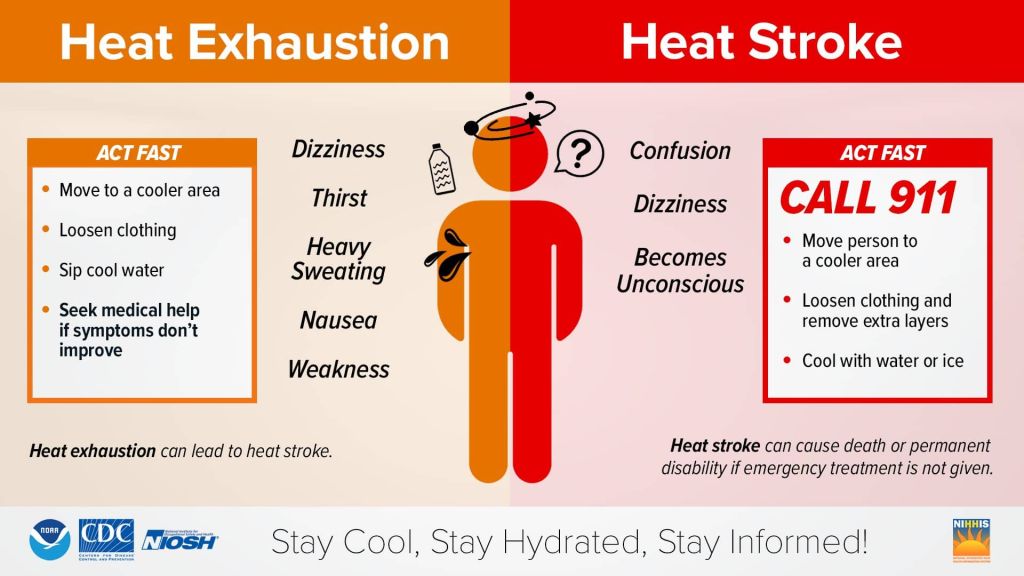
Heat illness can range from milder abdominal and leg cramps to heat exhaustion with heavy sweating, nausea, vomiting, headaches and dizziness. The most severe form is heat stroke, where an individual has a body temperature of 103° F, is no longer sweating, becomes confused and may even lose consciousness. Up to ⅓ of survivors may have long-term cognitive and neurological damage.
Who is at most risk for heat illness?
Children, especially infants
Seniors
Outdoor workers and athletes
Those with chronic medical conditions


Are there any medications that increase your risk of heat illness?
Blood pressure and heart medications such as diuretics, beta blockers and calcium channel blockers
Allergy medicines such as antihistamines
Antidepressants, antipsychotics and stimulants for many mental health conditions
Laxatives
Urinary incontinence medications
What steps can we take to prevent heat illness?
Limit time outdoors, especially during the hottest and most humid part of the day.
Don’t exercise alone or allow children to play unattended outdoors in these high temperatures and humidity.
Take frequent breaks in the shade when outdoors.
Apply sunscreen 30 minutes prior to going out and reapply every couple of hours.
Wear loose-fitting lightweight clothes such as cotton or linen, a wide brim hat and sunglasses.
Protect smaller children with a stroller canopy or umbrella.
Drink slow sips of water throughout the day. Speak with a doctor if you’re on fluid-restrictions.
Avoid sugary beverages, caffeine and alcohol. These drinks are diuretics that can impact your ability to sweat and cool yourself. Know that darker urine may be a sign of dehydration.
Electrolyte replacement should be considered for certain groups such as children, seniors, athletes, outdoor workers and those sweating excessively
Eat light like fruits and salads.
Keep the body cool with wet cloths around the neck or misting fans.
When should you seek medical attention?
If muscle cramps and heat exhaustion don’t improve within one hour of recovering in the shade, with massage of cramped muscle, slow rehydration with water and cool cloths to neck, armpits and groin, medical attention is needed. Heat stroke requires emergent medical attention.
Full WISH-TV article and video interview can be found HERE
Beat the Heat: Essential Tips to Stay Safe from Heat Illness was originally published on wibc.com