One Mother’s 22-Year War Against a Broken System
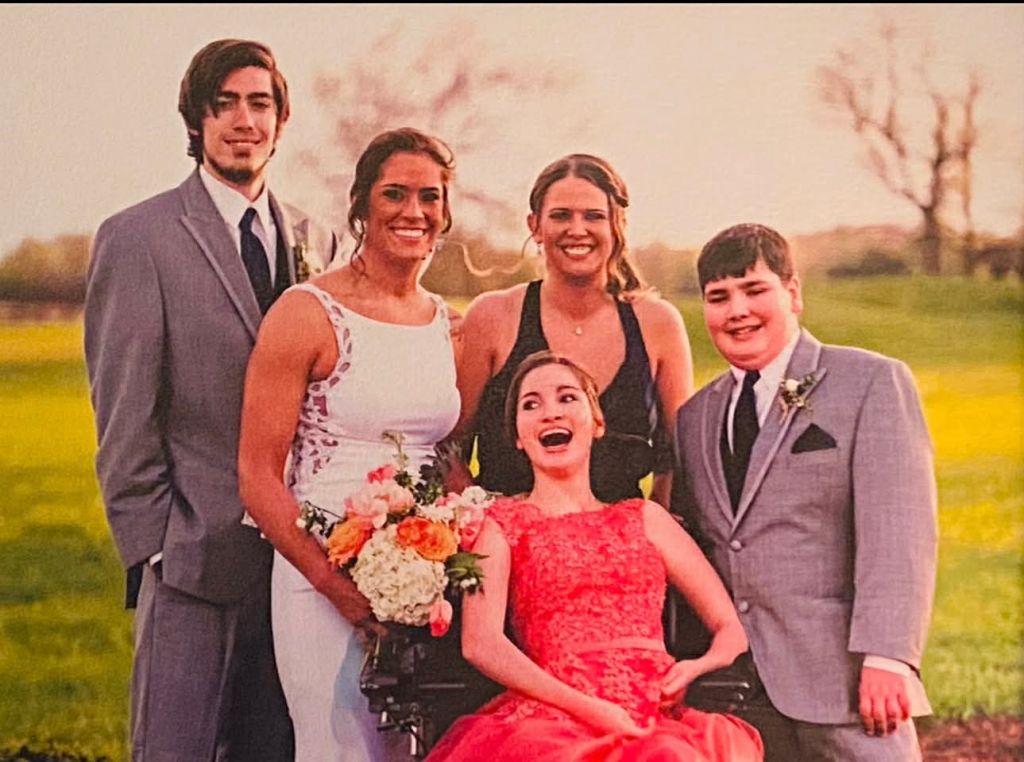
NOBLESVILLE, IN — Shari Reece is a nurse, a mother of five, and a “jack-of-all-trades” by necessity. But to the lawmakers at the Indiana State House, she is known as the woman who won’t stop fighting for a daughter whose life was altered before it even began.
Twenty-two years ago, Reece was 26 weeks pregnant when her life collided with a habitual traffic offender. The impact was so violent the other car was “flying through the air six feet up” before striking her driver’s side door. The driver was on a probationary license for a DUI and had been caught speeding 35 mph over the limit just two weeks prior.
Reece survived near-fatal injuries, including internal bleeding, a lacerated spleen, shattered bones, a punctured lung, followed by hours of surgeries and multiple blood transfusions. Her daughter, however, was born with severe brain damage—quadriplegic spasticity and cerebral palsy that left her non-verbal, wheelchair-bound, and tube-fed for life.
“The government allowed this individual to walk away with no consequences,” Reece says. “He got a slap on the wrist, while my daughter was stripped of her life. Now, we are forced to turn to that same government for help, only for them to deny her needs.”
A Battlefield in the State House
Reece has spent two decades navigating a bureaucratic maze that she describes as “broken.” From fighting for “Prior Authorization” nursing hours to battling a 15-year waitlist for Medicaid waivers, she has become a fixture in legislative circles.
She has personally lobbied presidents, congressmen, and state representatives, even helping draft federal bankruptcy legislation with former Congressman Dan Burton. Her goal was simple: prevent offenders from using bankruptcy to dodge personal liability for the lifelong care of the disabled.
“I’ve talked to Bill Clinton, Barack Obama, Senator Lugar, and Kathy Richardson,” Reece says. “I took my daughter to the State House to show them: how do you expect people to live? You made the laws that allowed this guy to walk away with no accountability, and now you want to cut her hours? It’s unacceptable.”
Today, the faces at the State House are changing, but the fight remains the same. While Reece recently attempted to speak directly with Governor Braun, she was redirected to her local Hamilton County representative. “It used to be Kathy Richardson, but it is a new person now,” Reece notes. During her last visit, she met with a legislative assistant who was able to provide some guidance, but the weight of the advocacy still rests on her shoulders.
The “Pro Se” Lawyer
For years, Reece struggled to find legal representation. Because the driver had no insurance and no assets, most firms saw no “pot of gold” at the end of the rainbow. Undeterred, Reece decided to act as her own attorney. Just three days before the statute of limitations expired—two years after her daughter’s 18th birthday—Reece walked into a courthouse and filed a claim pro se.
“I was her lawyer,” Reece recalls. “The judge was a total meanie… he told me I needed a lawyer. I said, ‘Well, maybe you can find one for me because I’ve called just about everyone in town over the years and nobody will take it.'” Her persistence eventually paid off. A lawyer finally took the case, recognizing the gravity of the 187 MRI images and the definitive link between the accident and the child’s brain damage. The attorney is currently pursuing a landmark settlement, potentially exceeding the state’s current record of $196 million.
“The System Sucks”
Despite the potential for a legal victory, Reece is realistic. She knows the individual who hit her likely can’t pay. For her, the fight is about the message: that the disabled should not be “treated like garbage” by the systems meant to protect them.
“The system isn’t just failing my daughter—it’s failing disabled veterans, the elderly, and countless vulnerable families across this country. We need more than just sympathy; we need leaders who understand that until you live this reality, you cannot grasp the stakes. Many of us are fighting to keep our loved ones at home specifically because the alternative—understaffed and sometimes neglectful institutions—is not a safe option. Our families deserve a system that supports home-based care with dignity, rather than leaving us to choose between financial ruin and unsafe facilities.”
“If we had been hit by a Coca-Cola truck, we wouldn’t need their help,” Reece explains. “I’ve worked since I was 15, sometimes two or three jobs, paying into the same system that is supposed to help my daughter.”
Currently, Reece is bracing for the next wave of state-level changes. After a recent meeting with her daughter’s case manager, she learned that while the state intended to cut their hours, they have granted a temporary extension. However, the reprieve may be short-lived. “She said some major changes are coming in July and in 2027,” Reece says. “So I guess we shall see what happens. Of course, I will be right back down to the State House again if they try anything.”
“I’m not going into the system to live off it; that’s not the example I want to set for my children,” Reece concludes. “But the system is broken, and something needs to be done. That’s the bottom line.”
One Mother’s 22-Year War Against a Broken System was originally published on wibc.com