Relocating to a new neighborhood can be simple with the right space strategy

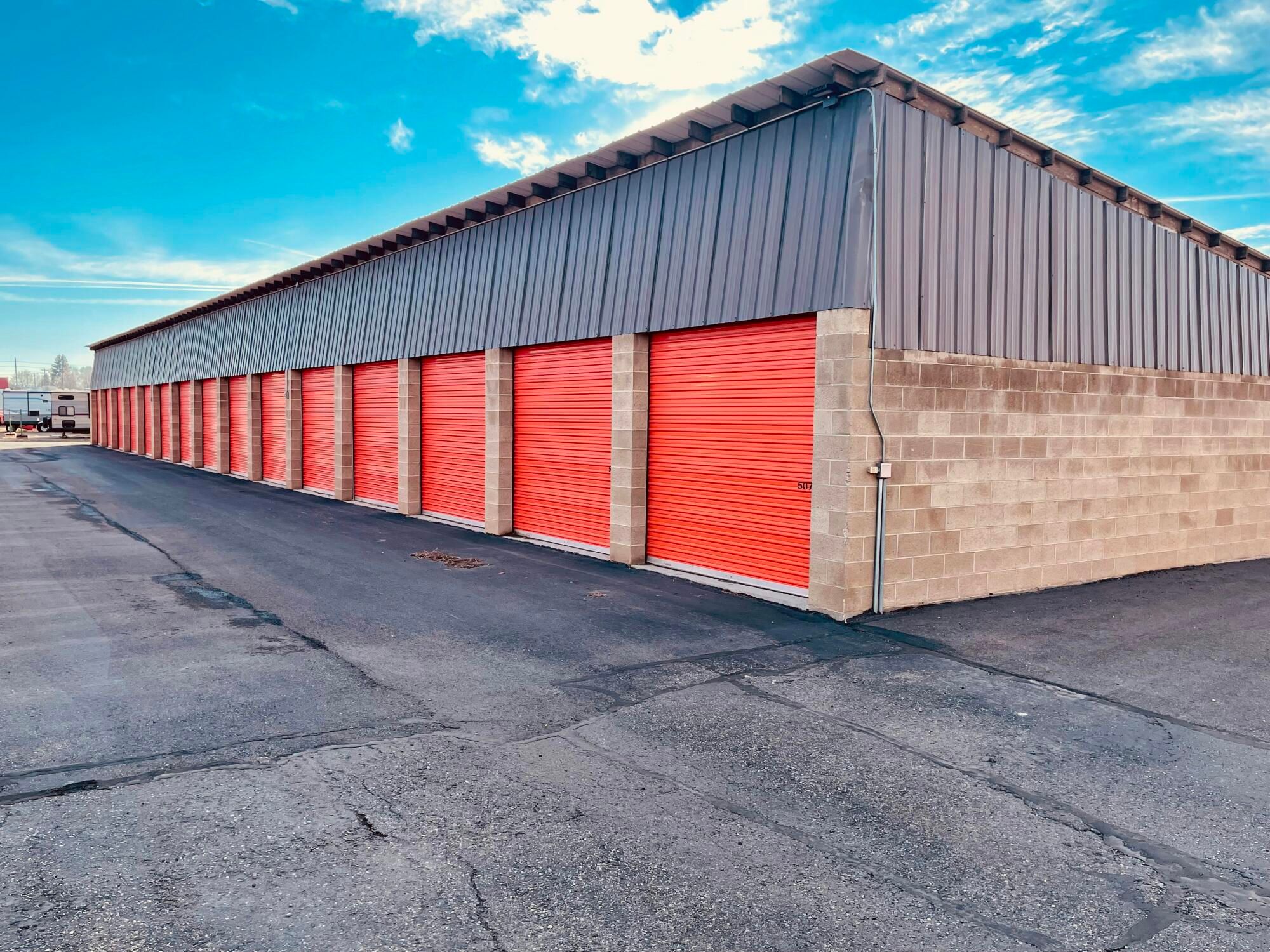
Some packing tips when you are choosing a self-storage unit are to start with an inventory, consider the amount of furniture, choose vertical storage, and leave room for access. All of these steps will ensure you pick the right storage, making your relocation easier.
Moving has been ranked as the most stressful experience in an individual’s life, even beyond divorces or the death of a loved one, according to Neurolaunch. If you can do anything to alleviate the stress related to something like this, then it’s worth it.
One thing that can help is picking the right storage unit size to store your items while you are moving long-distance. Temporary storage like this can give you some relief while you figure out what your new space is going to look like. Choose the right self-storage unit size using our tips below.
Start With An Inventory
Before choosing a storage unit size, create a general inventory of what you plan to store. Consider:
- Furniture
- Appliances
- Boxes
- Seasonal items
- Sporting equipment
- Tools
- Other large belongings
You do not necessarily need to record every individual item, but grouping possessions by category can make it easier to estimate how much space they require. Pay particular attention to large furniture because these pieces often determine the minimum unit size needed.
Consider The Amount Of Furniture
Furniture generally requires more space than packed boxes.
Beds, sofas, dining tables, desks, dressers, bookshelves, and other large pieces can quickly fill a small storage unit. If you are storing an entire household, consider how these pieces could be positioned efficiently. Even using an app like MagicPlan can help you scan and measure spaces to create a complete floor plan.
Disassembling appropriate furniture before storage can reduce the amount of space it occupies and make transportation easier.
Think Vertically
Storage units have floor space, but they also have height. Do the following:
- Stack sturdy boxes
- Using appropriate shelving can help maximize the available volume
- Heavier items should generally be placed lower
- Fragile belongings should be protected from excessive weight
Do not stack items in a way that creates instability or blocks ventilation or access.
Leave Room For Access
The goal should not be to fill every available inch, even if you are tempted to do so.
If you expect to retrieve belongings during the relocation, leaving a small walkway or organizing items by accessibility can make a major difference. Frequently needed boxes should be placed closer to the front, while items that will remain in storage longer can be positioned toward the back.
Consider a drive-through storage facility in Auckland so you can zoom in and out when picking up or dropping off your items.
When Long-Distance Moving, Picking the Right Storage Unit Size Helps
Moving can be stressful enough as it is, without having to figure out where to store your items that don’t fit in your home at the moment. Choosing the right storage unit size can help you in this regard.
Please check out related articles on our website for more.