OpenAI recently announced that it is pausing the ability to generate MLK deepfakes on its video platform Sora, following a wave of public backlash over “disrespectful” AI-generated depictions of the civil rights leader. The company says the decision came after King’s estate and his daughter Bernice King formally objected to the use of his likeness and requested that such depictions be halted. OpenAI also indicated that going forward, estates or representatives of historical figures will be allowed to “opt out” of having a likeness used on the platform.
RELATED: OpenAI Bans MLK Deepfakes On Sora 2 At Family’s Request
The deeper controversy stems from how easily Sora allows users to create hyperrealistic video renderings of deceased public figures without their consent, and often in contexts that are offensive or inconsistent with their legacy. These depictions introduce several problems. First, they distort memory and history. When future viewers encounter manipulative or absurd scenes of historical figures, it can blur the distinction between fact and fiction, potentially distorting public perception in subtle yet harmful ways. Second, they violate dignity and consent. People (or their estates) lose control over how their image and voice are repurposed after death, which can feel exploitative and disrespectful. Third, they raise legal and regulatory ambiguity over postmortem publicity rights and the responsibilities of platforms that host user-generated content.
These debates aren’t just theoretical either. AI and deepfakes are already bleeding into everyday life. From synthetic voices in customer service bots to AI-generated faces in news stories or social media scans, we’re increasingly relying on and being influenced by content whose provenance and integrity can be uncertain. The same transformative tools that power benign innovation also make it cheaper to mislead, impersonate, or misrepresent. Worse, as these tools become more accessible, they can be weaponized. Manipulated video of a public figure might sway opinion, propagate misinformation, or undermine trust in media. The MLK deepfake episode highlights the need for guardrails, transparency, and ethical standards in the rapidly accelerating AI era.
Love Hot 100.9? Get more! Join the Hot 100.9 Newsletter
Thank you for subscribing! Please be sure to open and click your first newsletter so we can confirm your subscription.
Given the sensitivity (and rightfully so) of recreating anyone’s likeness with AI, OpenAI’s decision raises the question: which other public figures should be protected from deepfake resurrection? Below is a list of celebrities whose legacy, dignity, and public memory should warrant opt-out or bans on unauthorized AI depictions.
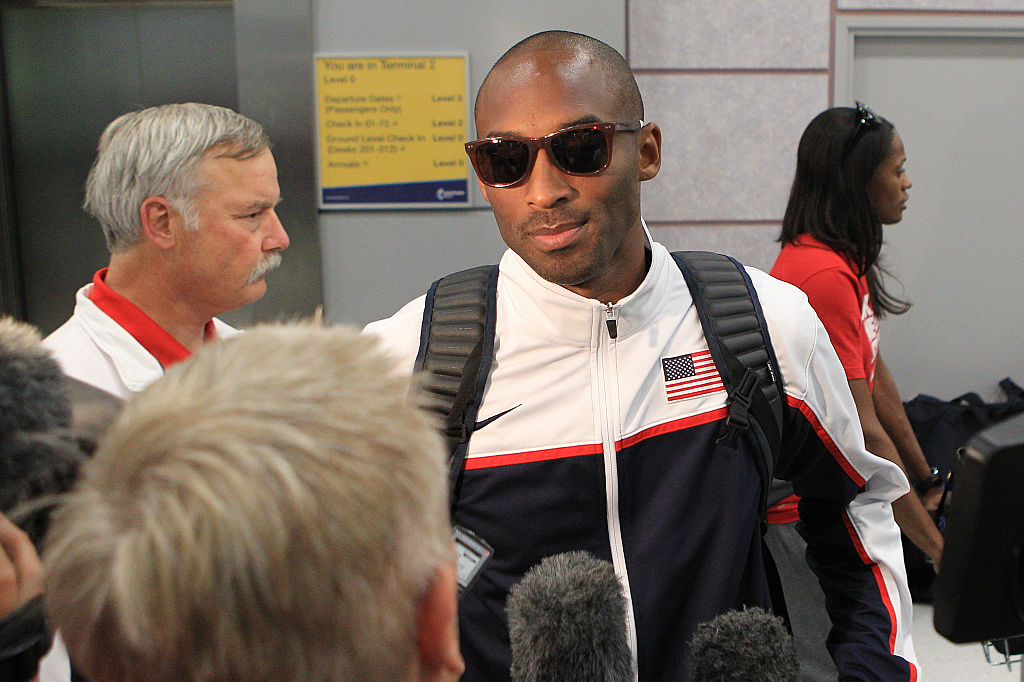
1. Kobe Bryant
Kobe’s passing remains one of the most emotional losses in sports history, and any AI recreation of him risks reopening old wounds for fans and his family. His images deserve to be preserved with respect, not manipulated for views or commercial gain.
2. Michael Jackson
As one of the most recognizable entertainers ever, deepfakes could easily distort his complex legacy and fuel misinformation or controversy. His likeness has been overexploited enough; AI should not add to that.
3. Whitney Houston
Whitney’s voice and persona are sacred to music fans, and AI-generated performances could cheapen her artistry. Her family has already fought hard to control her image, making digital recreations especially inappropriate.
4. Muhammad Ali
Ali was more than a boxer; he was a cultural and political icon whose words carried deep meaning. AI-generated videos could misuse his voice or activism for agendas he never supported.
5. Princess Diana
Diana’s life and tragic death remain deeply sensitive subjects, and deepfakes of her risk exploiting her memory for entertainment. Given her enduring influence, her image should remain untouched by digital manipulation.
6. Bruce Lee
Lee’s philosophies and physical legacy have been cemented countless times; deepfakes could strip away his authenticity and cultural significance. His family has long advocated for preserving his true message, not digital imitations.
7. Robin Williams
Williams’ estate has explicitly spoken out against the misuse of his likeness, especially in AI. Out of respect for his legacy and struggles, it’s only right to protect his image from unauthorized recreations.
8. Nipsey Hussle
Nipse’s impact on community empowerment and entrepreneurship was authentic and personal. Using his likeness without consent undermines the real-life work he did for his people and his city.
9. Tupac Shakur
Tupac’s music and message remain timeless, rooted in struggle, truth, and the pursuit of revolution. Deepfakes could easily twist his words or image in ways that contradict everything he stood for.
10. Selena Quintanilla
Selena’s impact on Latin music and culture was built on authenticity and connection. Deepfakes could distort that legacy or exploit her memory for profit rather than passion.