Lawn equipment is becoming part of the smart home conversation

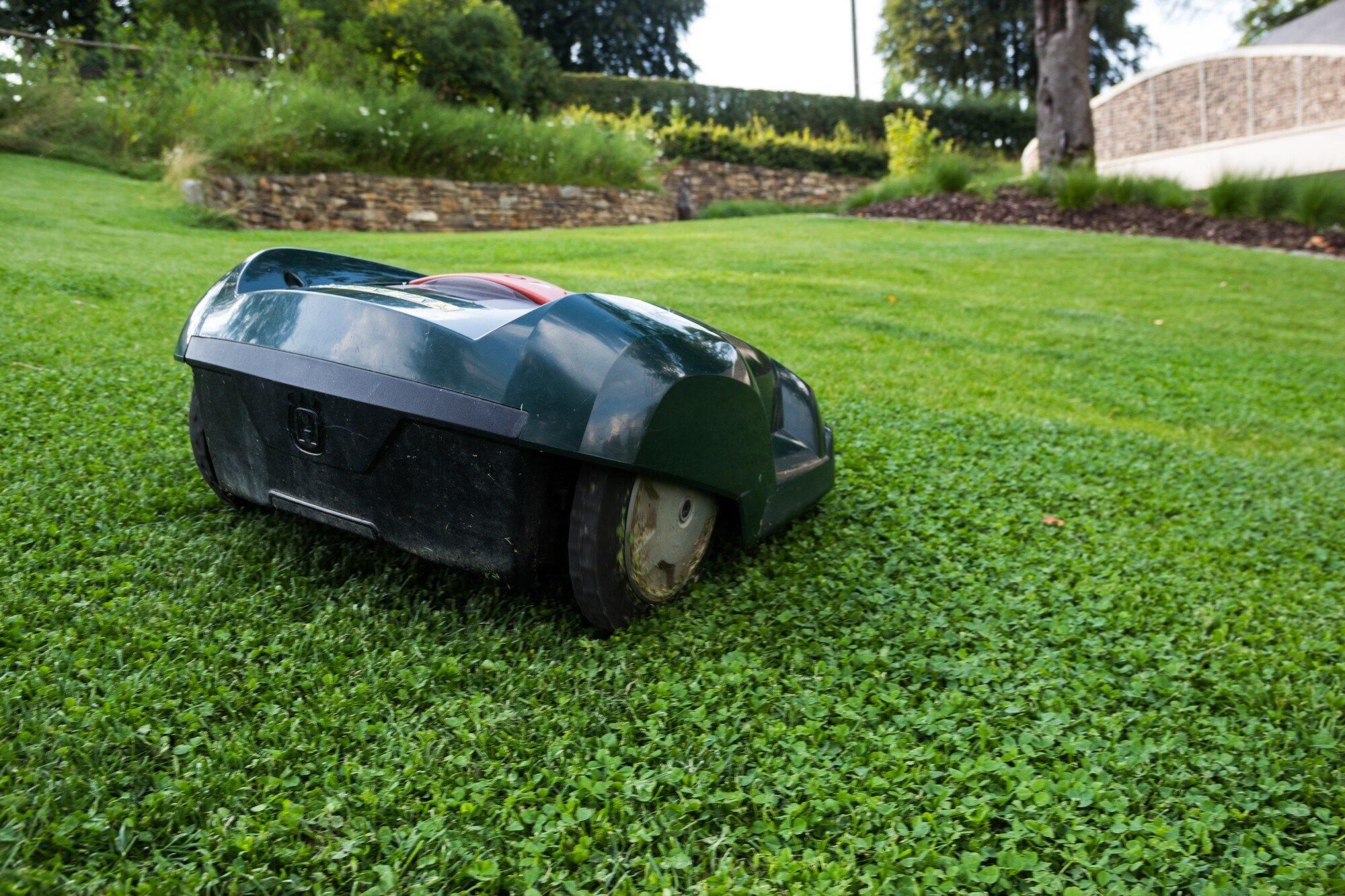
Lawn equipment is becoming part of the smart home conversation because robotic mowers, weather-based sprinkler controllers, and app-connected sensors now let homeowners run their yards the same way they already run smart home basics like thermostats and lighting: set the rules once, then step in only when something needs attention. This replaces weekly guesswork with automated, data-driven maintenance.
The waste this fixes is real. Residential outdoor water use in the U.S. adds up to nearly 8 billion gallons a day, most of it for landscape irrigation, and the EPA estimates up to half of that is lost to overwatering. These are the same inefficiencies homeowners already solved indoors, now spreading past the back door, and fixing them means getting a weekend back.
What Does a Smart Yard Actually Look Like?
A smart yard works as one small automated system, with every device sharing information with the others. Each part uses data from the others, and that connection is what actually saves you time.
Most setups typically rely on three connected garden devices working together:
- A robotic mower that trims the lawn on its own schedule
- A weather-based controller that decides when to water
- A phone app that sends alerts if something goes wrong
The Tools Driving This Shift
A few tools clearly stand out more than others. Some handle labor on their own, and some simply make existing chores a little easier.
Wire-Free Robotic Mowers
These mowers skip the buried wire that older robotic models needed. Instead, they use GPS signals and cameras to build a virtual map of your yard, so they usually stay fairly accurate. These intelligent lawn tools can distinguish between a flower bed and open grass.
Smart Irrigation Controllers
Smart sprinkler systems adjust watering times using real weather data instead of a fixed clock. That means your yard gets exactly the water it needs and nothing extra.
These controllers typically track a few extra details to fine-tune watering:
- Local rainfall and soil moisture levels
- Plant type and sun exposure for each zone
- Seasonal changes in temperature and daylight
Why Are Smart Irrigation Controllers the Highest-ROI Upgrade?
Irrigation tends to be the easiest place to start with smart gardening. Water waste is usually the highest cost most homeowners can actually control, and fixing it pays off fast.
Connected Battery Tool Platforms and Outdoor Automation
Robots and controllers do not handle everything, so edging, trimming, and cleanup still need a person. Electric lawn care equipment that shares one battery system typically cuts down on chargers, gas, and extra maintenance.
Bringing It All Together
The real value shows up once these tools start working from the same rules. This kind of home automation gardening setup pauses mowing after rain and waters overnight instead of running everything on a separate schedule.
What This Means for Your Next Smart Home Upgrade
Lawn equipment now functions as part of the broader smart home system, coordinating mowing, watering, and monitoring instead of requiring constant manual attention. Robotic mowers handle routine cutting, smart controllers apply water based on real conditions rather than a fixed clock, and connected sensors flag problems before they become expensive ones.
Browse more articles like this one to keep exploring what’s next.